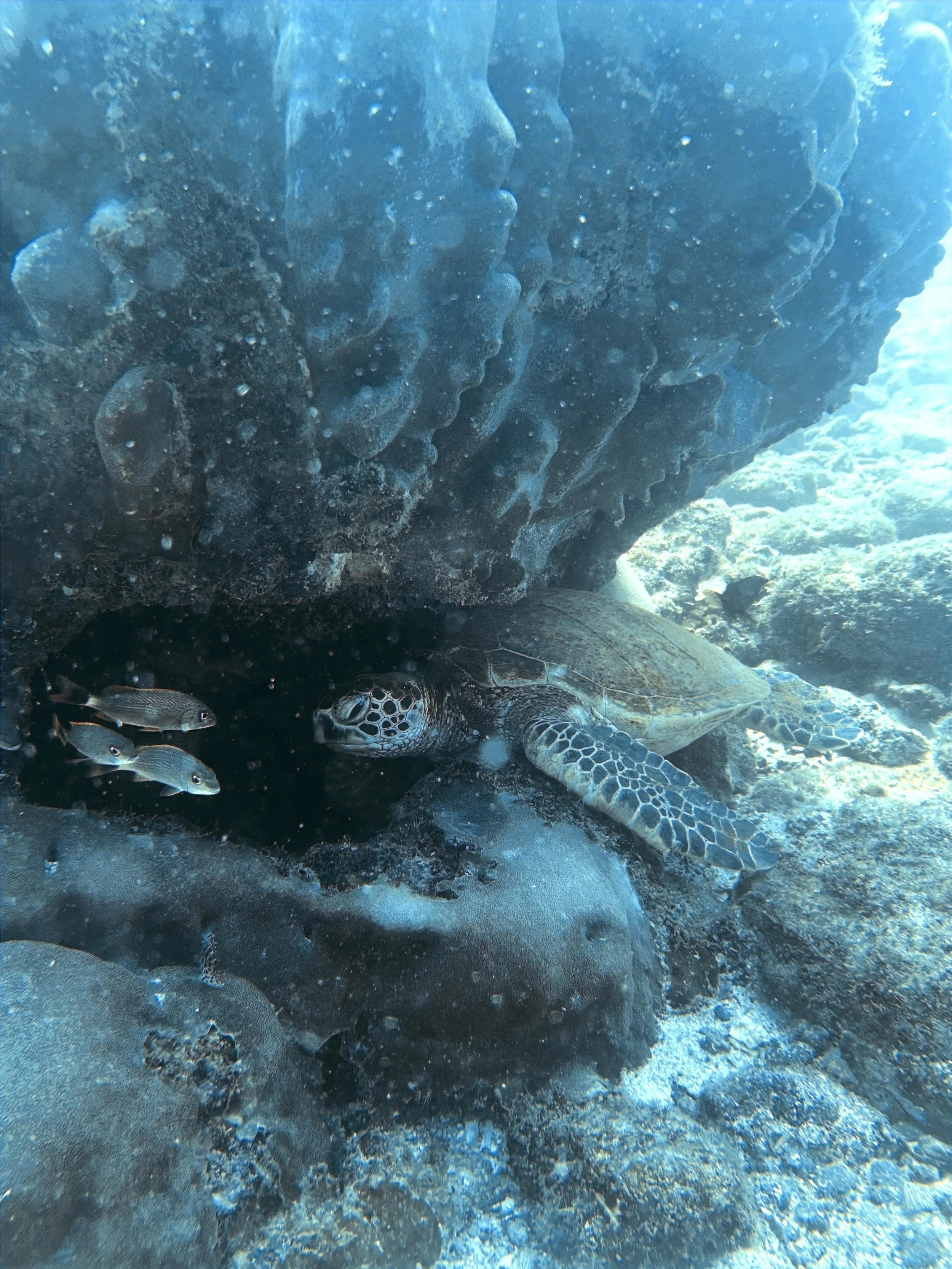
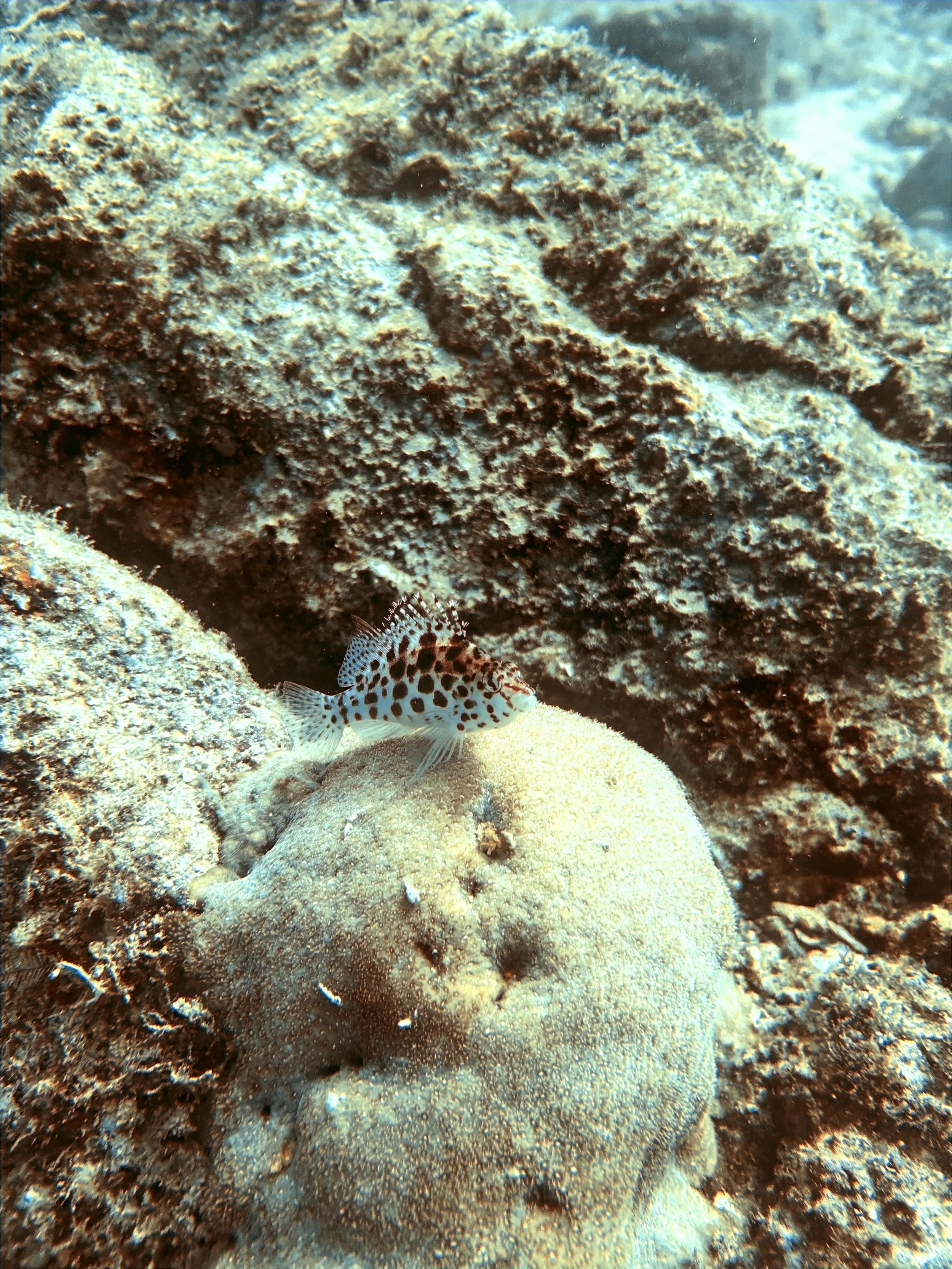
La Paz From December to March: The Best Winter Water Adventures
December through March brings whale sharks, gray whales, sea lions, island days and some of La Paz’s most memorable time on the water. Here’s how to plan a winter stay.
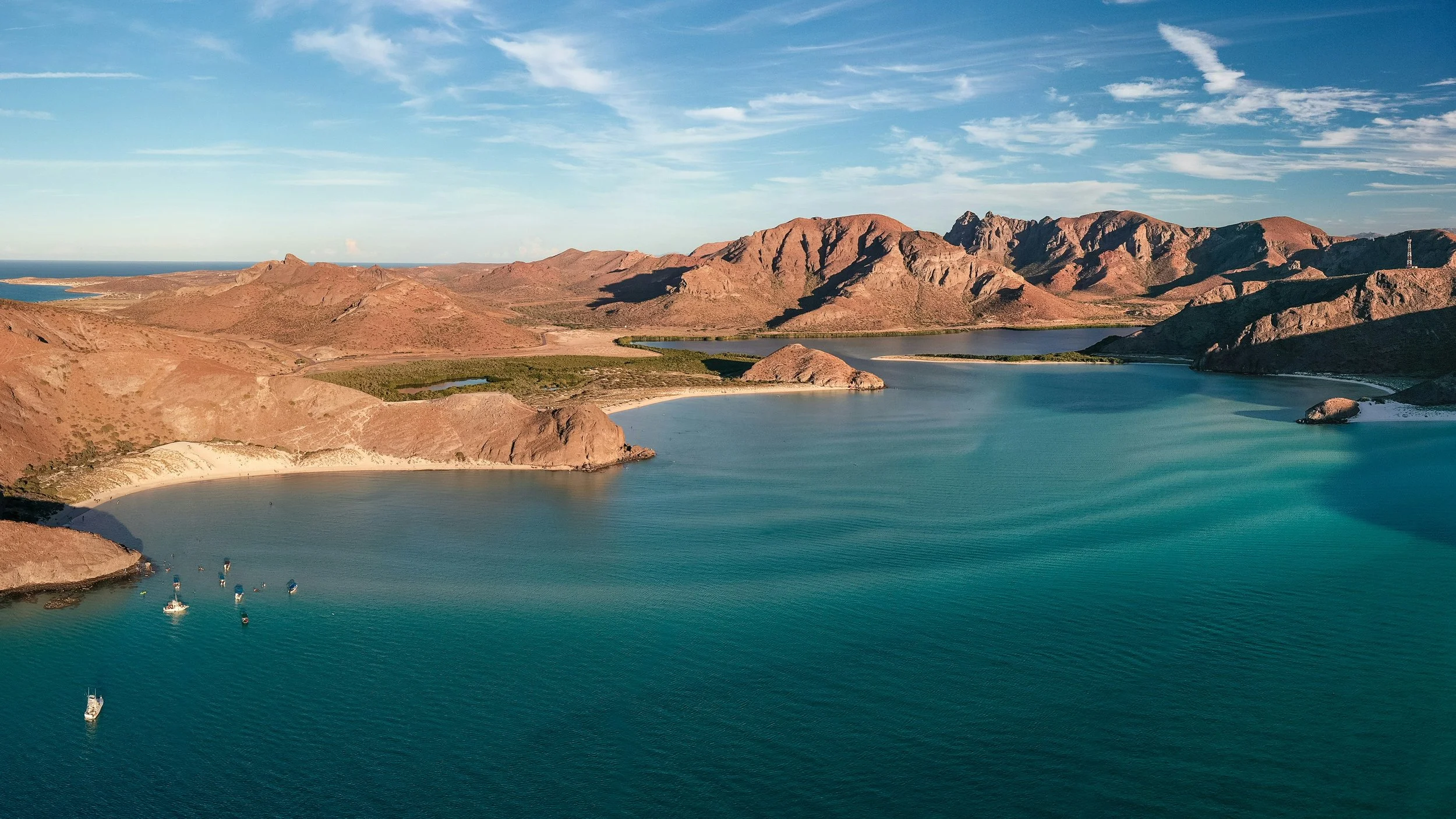
Winter in La Paz is not a pause between summers. It is when the wildlife calendar gets interesting.
From December through March, whale sharks feed in La Paz Bay while the sea lion colony at Los Islotes is open for in-water visits. Scuba trips, Espíritu Santo boat days, snorkeling, kayaking, and paddleboarding continue through the season. The days are generally sunny, the air is comfortable, and the water is cooler than visitors often expect.
That combination makes winter one of the easiest times to build a trip around the Sea of Cortez—as long as you arrive with the right expectations, leave room for weather, and bring a wetsuit.
Why visit La Paz in winter?
Summer gets the warmer water, but winter gets the overlap.
The regulated whale-shark season generally falls between October and April, although the activity only begins once enough animals have arrived in the bay. At the same time, the California sea lion colony at Los Islotes is open for snorkeling and scuba diving.
That means a winter stay can include two completely different wildlife encounters: swimming beside the largest fish in the world in the shallow waters of La Paz Bay, then traveling north toward Espíritu Santo to meet one of the Sea of Cortez’s most energetic marine mammals.
Summer gets the warmer water. Winter gets the overlap.
Swim with whale sharks in La Paz Bay
Whale sharks visit the shallow feeding area near El Mogote, across the bay from the city. Despite the name, they are sharks—not whales—and they feed by filtering plankton from the water.
Tours are regulated. Authorized boats enter the area under controlled conditions, and guides manage how swimmers approach and how long they remain near an animal.
December through February is generally a strong planning window, with March still falling within the broader official season. But exact availability changes with the number of whale sharks present and current conditions. Keep the experience high on your list without treating a sighting as guaranteed.
And Yes—Actual Whales
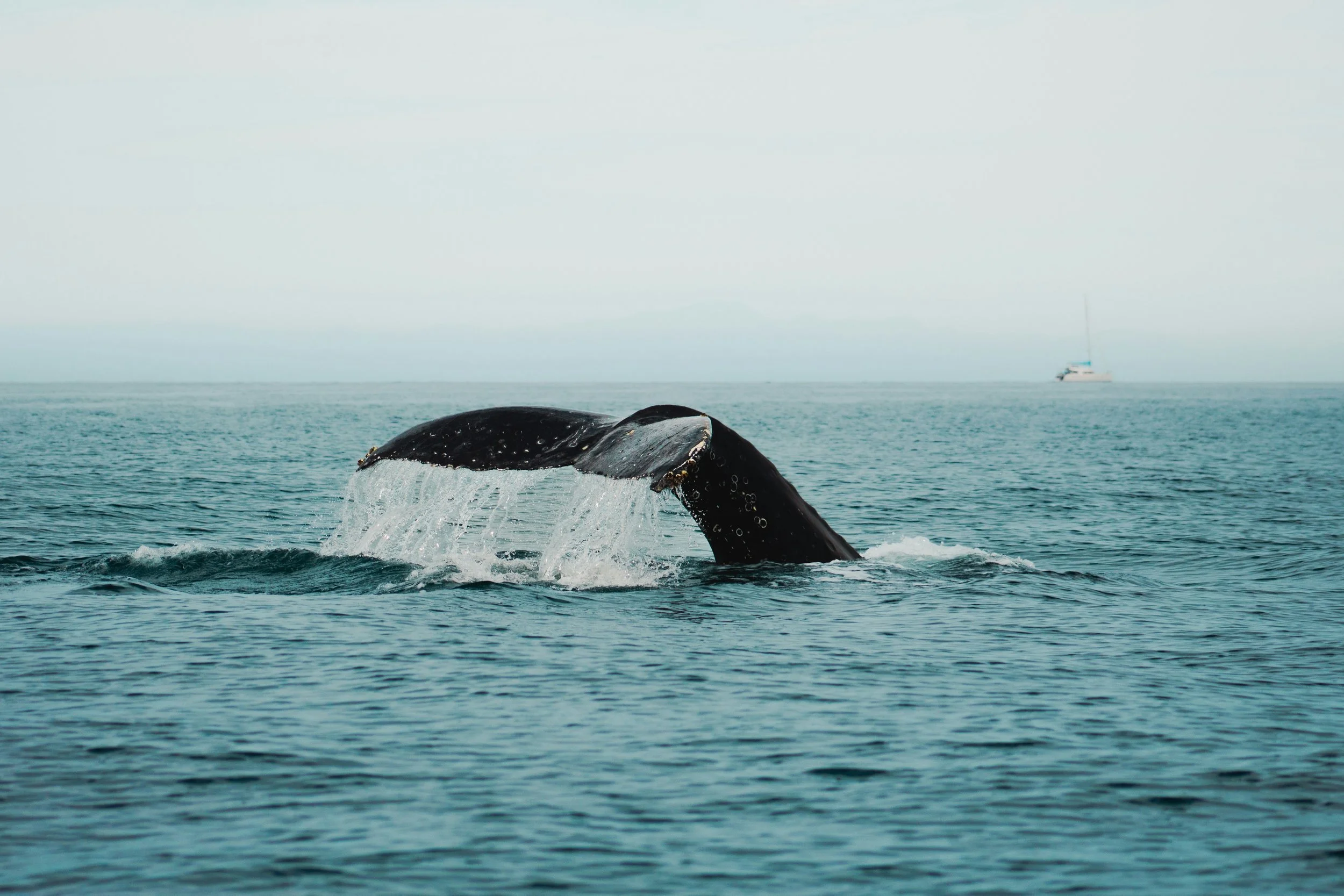
Whale sharks may receive top billing in La Paz, but despite their name, they are fish. Winter also brings actual whales to Baja California Sur.
Gray whales make an extraordinary migration from Alaska to the protected lagoons of Baja California Sur, where they mate, give birth and care for their calves. From La Paz, Puerto Chale is the closest established destination for seeing them.
Because Puerto Chale is on the Pacific side of the peninsula, this is a full-day adventure rather than a short boat ride from La Paz Bay. The experience normally includes the drive from La Paz, a small-boat whale-watching excursion and the return journey.
The most practical season is generally January through March. Wildlife sightings and exact operating dates always depend on weather, sea conditions and the whales themselves. Plan a full-day gray-whale watching excursion to Puerto Chale.
Humpbacks and other whale species may also pass through the Sea of Cortez during winter. Guests occasionally encounter them during Espíritu Santo, diving or other boat trips, but these sightings should be treated as an unforgettable bonus—not something a standard island excursion can promise.
If seeing actual whales is high on your list, reserve a dedicated Puerto Chale gray-whale excursion and give it its own day. Combine it with whale-shark snorkeling and a visit to the sea lions at Los Islotes for three completely different marine-wildlife experiences during one stay at Las Gaviotas.
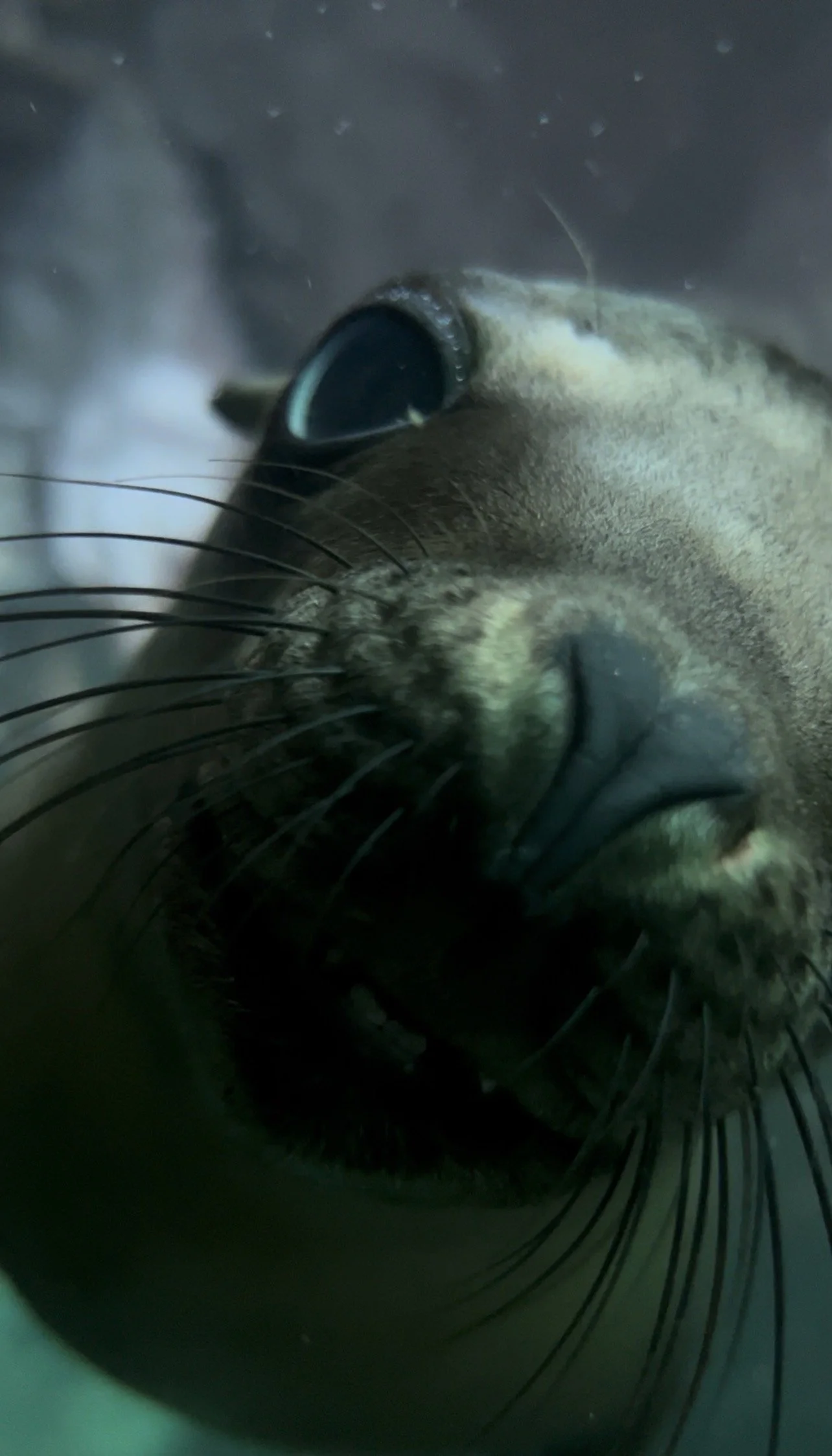
Swim or dive with sea lions at Los Islotes
Los Islotes sits north of Espíritu Santo, far enough from the city that the journey becomes a real island day.
The colony is active, loud, fast, and much more impressive in the water than it appears from the boat. Younger sea lions may approach snorkelers or divers out of curiosity, while adults often remain closer to the rocks. Visitors should never touch, chase, feed, or block an animal.
For a complete guide, read Swimming With Sea Lions in La Paz: What to Know Before You Go.
Scuba diving and winter snorkeling
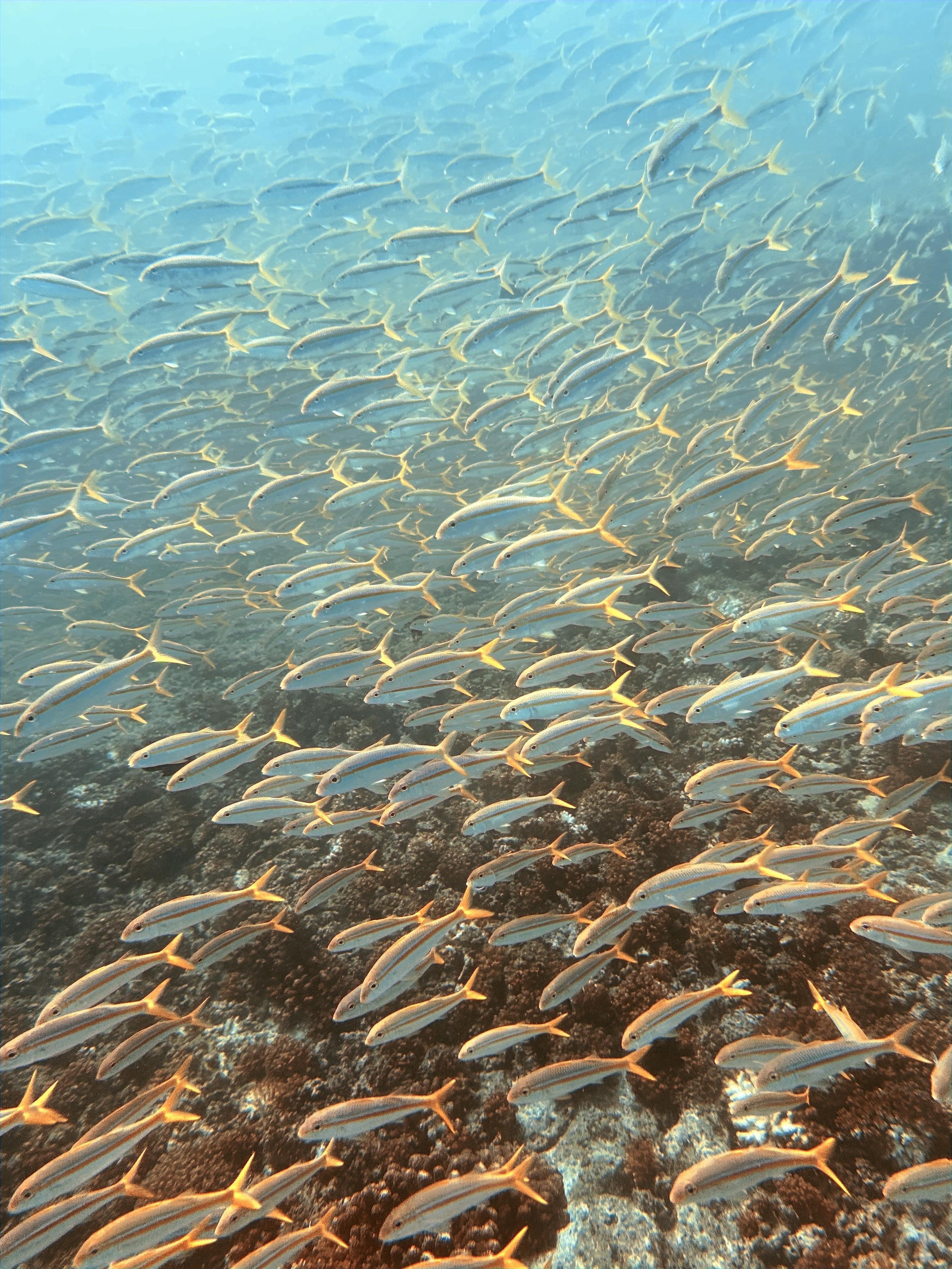
La Paz does not stop diving when summer ends. The experience simply changes.
Winter water is cooler, especially from January into March. Temperatures can sit around 19–22°C, and thermoclines can make some sites feel colder. A proper wetsuit matters, particularly for a two-dive day or a longer snorkeling session.
The best site is not always the one you expected to visit. Local captains and guides choose around wind, current, visibility, and the experience of the group. Flexibility usually produces the better day.
Espíritu Santo boat days
You do not have to be a diver—or even an enthusiastic snorkeler—to understand why people spend a day around Espíritu Santo.
The route passes volcanic cliffs, empty coves, birdlife, beaches, and water that changes color as the depth changes. Winter can bring wind, especially later in the day. Good operators watch the forecast and may change the route, leave earlier, or reschedule.
Kayaking, paddleboarding and time closer to shore
Not every water day needs an engine or a full itinerary.
Kayaking and paddleboarding offer a slower way to see the coastline, especially on calmer mornings. These activities work well on arrival or departure days when you do not want to commit to a full island trip.
What each winter month feels like
December
Wildlife season meets holiday season. Prioritize the accommodation and book major activities early.
January
Sunny days, cooler water, whale sharks, sea lions, and layers for the morning boat ride.The start of gray-whale watching at Puerto Chale.
February
A strong month for grey whale watching and a wildlife-focused stay and an easy winter escape for couples.
March
Winter wildlife continues, but keep a mix of bookable adventures and flexible days. Gray-whale excursions may still be operating.
Is the water warm enough to swim?
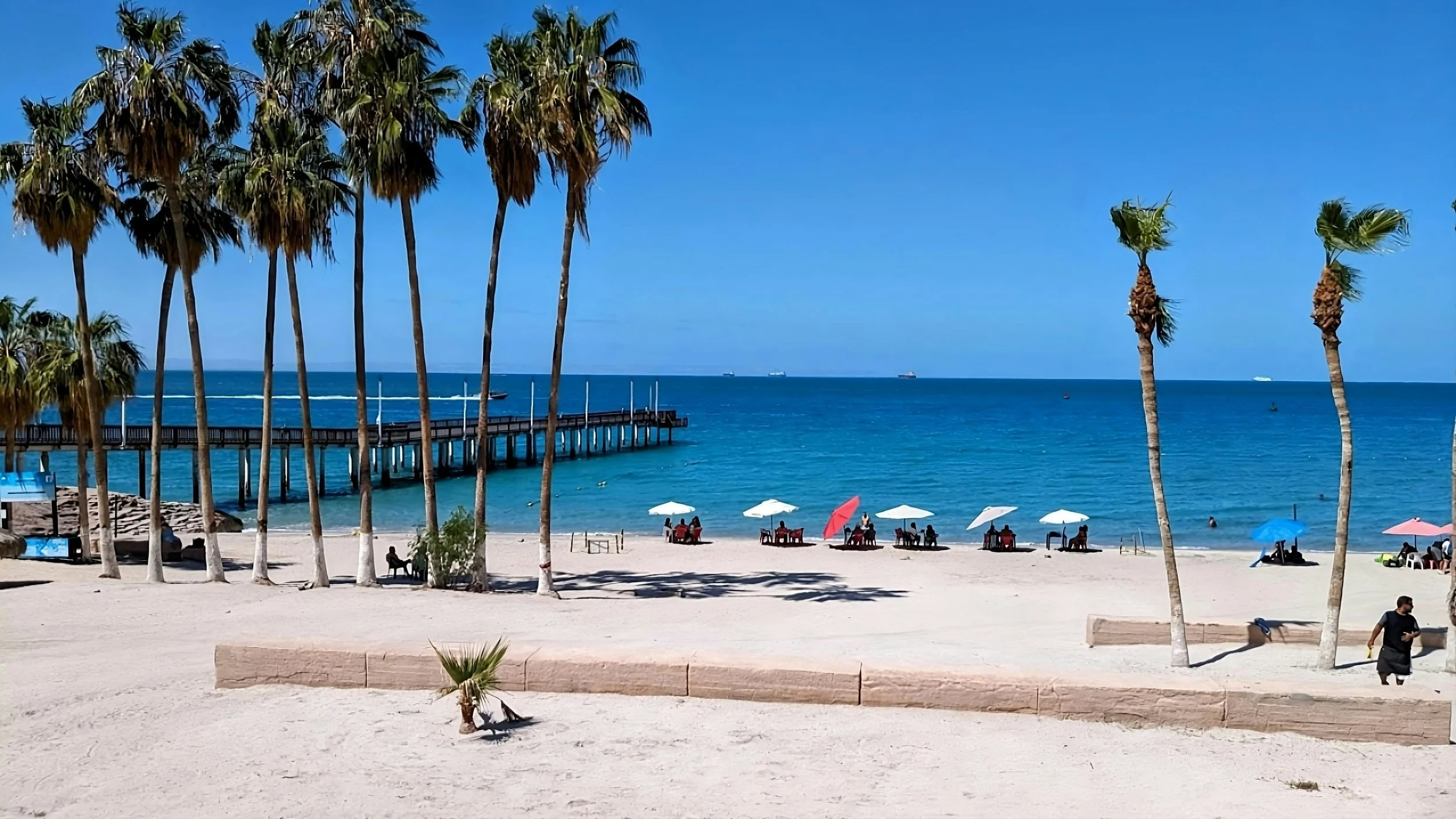
Yes—but it is not tropical-bathwater warm.
For snorkeling, scuba diving, or extended time in open water, a wetsuit makes a substantial difference. The air can feel warm while the return ride feels chilly, so bring something dry to put on after the water.
A Five-day winter itinerary from Las Gaviotas
Day 1: Check in, walk the Malecón, watch the sunset, and have dinner nearby.
Day 2: Keep the morning available for a whale-shark experience in La Paz Bay.
Day 3: Make this the full Espíritu Santo and Los Islotes day.
Day 4: Dive, paddle, visit a beach, or keep the day flexible as weather insurance.
Day 5: Gray whales at Puerto Chale — Set aside a full day for the drive across the peninsula and guided whale-watching excursion.
Stay where your La Paz days begin and end
Las Gaviotas gives you a waterfront home base near the Malecón, restaurants, and the activity of La Paz Bay. Leave early for the water, return to the pool or terrace, and walk to dinner.
Winter dates—especially Christmas, New Year, January, and February—can begin filling months ahead.
Find water adventures for your dates
Once the stay is set, search La Paz on BookWithBuddy to explore water adventures currently available from local operators. Compare dates, activity types, requirements, and what each experience includes.
Frequently asked questions
-
Yes. December generally falls within both the whale-shark season and the sea lion in-water season. It is also a popular holiday month, so reserve early.
-
Yes, although the water is cooler than many visitors expect. A wetsuit is recommended for snorkeling, scuba diving, and longer periods in open water.
-
No. The months fall within the usual seasonal window, but the activity can start late, pause, or finish early depending on the animals present and current conditions.
-
Generally, yes. In-water encounters at Los Islotes normally run from September through May. Confirm current access with the operator.